
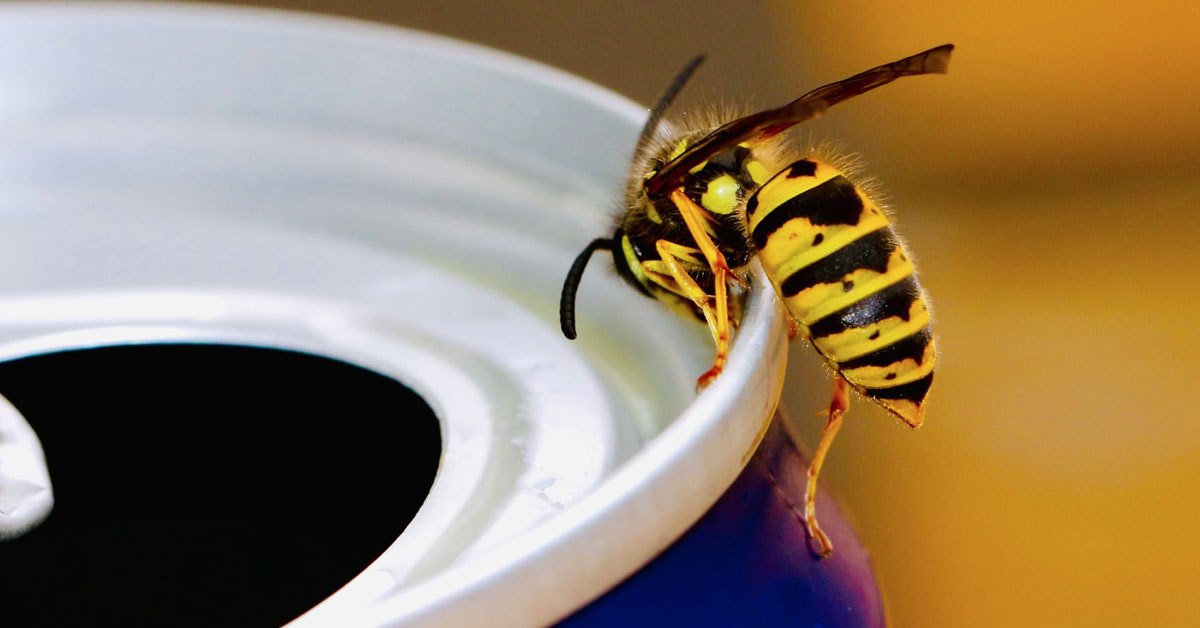
No One Wants Wasp Nests in Their Home or Garden
But do you know how useful wasps actually are? Read on and you might be surprised.
Wasps Are a Vital Part of the Ecosystem
Wasps are predators that control plant pests. They eat flies, aphids, caterpillars, and other invertebrates, making them an important pest-controlling predator in their own right. Wasps help enhance biodiversity by preventing common species from becoming dominant. A single worker wasp can collect over 100 aphids in a day.
Wasps are also important pollinators, transferring pollen as they visit flowers to drink nectar. A world without wasps would be a world with a far larger number of insect pests on our crops and in our gardens.
Did you know? It's been estimated that the UK's social wasps might account for 14 million kilograms of insect prey across the summer.
Climate Change
Mild winters could mean colonies survive the colder months, continuing to grow and build even larger nests. Climate change could also lead to new wasp species reaching the UK altogether.
Wasp Nests Can Contain a Lot of Wasps
Like bees, social wasps are impressive architects that live in colonies within highly developed, complex societies. Each nest may contain 5,000 to 10,000 sterile female workers, plus their much larger mother, the egg-laying queen. They build hexagonal paper nests from chewed up wood and wasp saliva, which creates a paper-like material. Wasp nests are spherical in shape.
In late spring, you may spot unusually large wasps. These are queens searching for suitable nest sites, which can be deserted mammal holes, cracks in walls, holes in trees, or a space in your loft.
Why Do Wasps Bother Us So Much?
For most of the season, nests are full of larvae, and workers must collect protein to feed them by taking invertebrates from the environment. The larvae convert this protein-rich diet into carbohydrates, which they secrete as a sugary droplet to feed the adults.
By late August, nests have very large numbers of workers but have stopped raising any larvae. With no larvae left to feed, all those adult wasps need to find other sources of sugar. They seek out high energy food like nectar, rotten fruit, and sugary picnics, which is exactly why they're so drawn to our sugar-rich food and drinks at that time of year.
Why Do Wasps Sting?
A wasp's sting is both an offensive and defensive weapon. It allows them to capture and immobilise prey, and they'll also sting to defend their nest.
There Are Approximately 9,000 Species of Wasp in the UK
Of these 9,000 species, ranging from the common wasp (Vespula vulgaris) to parasitic wasps so tiny they can barely be seen without a microscope, only nine are classed as social. These nine are the ones that form the large nests most people are familiar with. The vast majority are solitary and cause no trouble to humans at all.
The UK's Biggest Wasp Is 5cm Long
The European hornet is the largest wasp in the UK, measuring up to 50mm in length, just under two inches. The common wasp's adult workers (always female) measure 12 to 17mm, while the queen is around 20mm.
The Smallest Insect in the World Is a Wasp
The smallest insect in the world is a wasp: the fairyfly, just 0.14mm long, living only a few days. Despite its size, it plays a vital role in agriculture, laying its eggs in the bodies of crop pests, essentially working as a natural alternative to chemical pesticides.
Do You Have a Problem With Wasps?
We can provide you with not only a wasp nest removal service but also the advice you need to deal with wasps safely.